
Lisbon places conference venues right inside the city’s everyday rhythm. Event buildings sit near cafés, bookstores, small shops, and open squares, making it easy to step outside formal sessions and observe local life.
For attendees of the Lisbon academic conference, this layout matters. Short walks between sessions become learning moments rather than interruptions. Lisbon remains calm, walkable, and human in scale, which suits both structured programs and informal exploration. These qualities also explain why many organizers choose the city for the International Conference in Lisbon or a broader academic event in Portugal.

Many venues used for conferences in Lisbon sit in central districts. Leaving the building usually means stepping directly into active streets rather than isolated zones. Cafés, bakeries, and public squares appear within minutes.
A short walk before morning sessions or after evening programs shows how the city changes through the day. Early hours feel quiet and deliberate, afternoons bring steady movement, and evenings feel social without feeling crowded. For participants attending the International Conference in Lisbon, these small transitions help reset focus between sessions.
Lisbon works well on foot. While hills appear in some areas, distances remain short. Side streets reveal tiled façades, small gardens, and residential buildings that show how people actually live. Walking allows visitors to notice:
Lisbon’s neighborhoods each carry a distinct character. Visiting more than one adds balance to a conference stay.
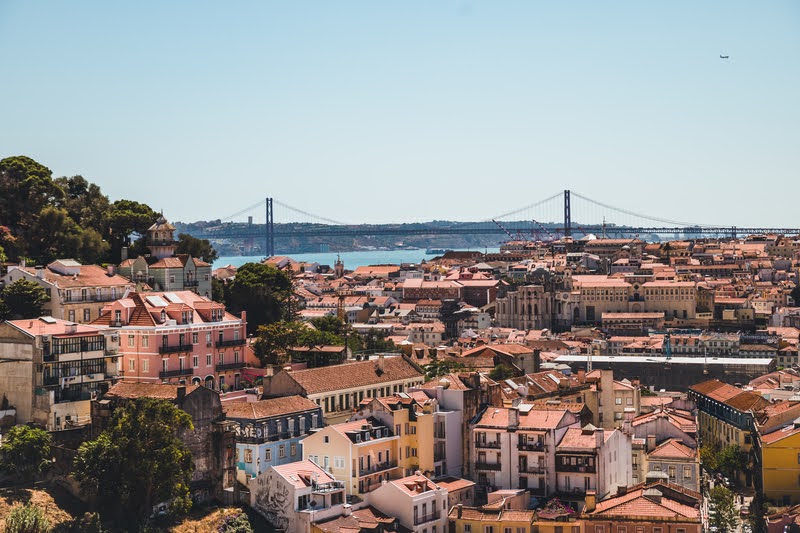
Lisbon does not separate history from daily movement. These sites require no special trips, making them accessible during busy conference days. Many historic places appear naturally along walking routes.
Lisbon’s museums are compact and easy to visit in short time blocks. Many sit near cafés or transit stops, allowing visits to fit between sessions. Short museum visits complement formal programs during the Lisbon academic conference without overwhelming schedules.

Cafés structure daily life in Lisbon. Locals stop often, sit briefly, and watch the street. These spaces work well for informal conversation after sessions at the academic event in Portugal.
Meals often follow simple patterns:
Bakeries appear on nearly every block. They open early and stay busy throughout the day. These spots suit short breaks between conference sessions.
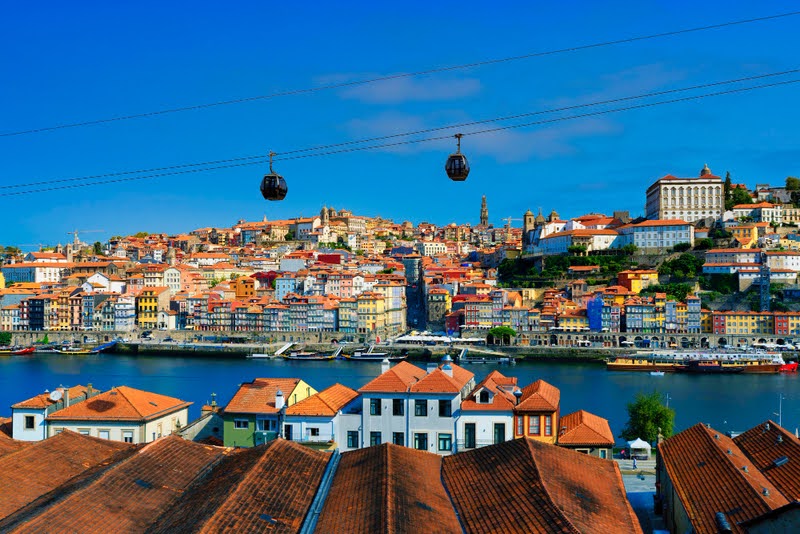
Public squares act as shared rest spaces. People meet, walk through, or sit briefly.
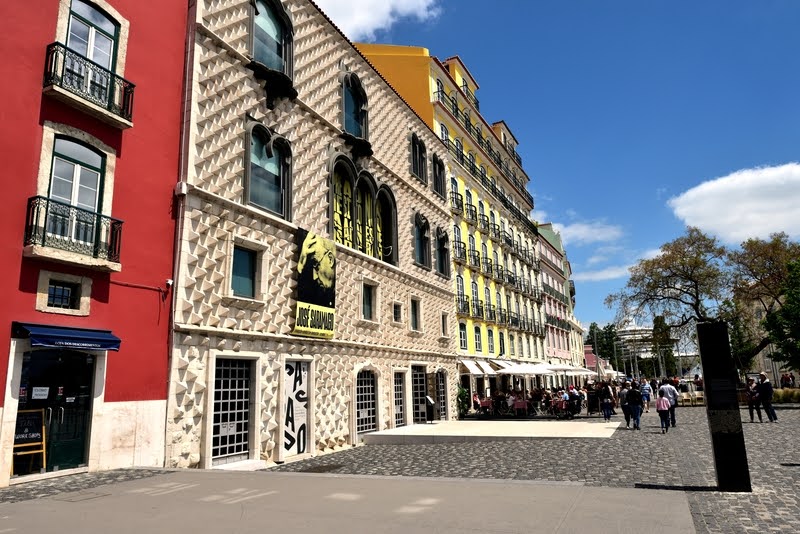
Lisbon’s trams serve both transport and observation. Tram 28 passes narrow streets and older neighborhoods, offering a clear sense of scale and daily movement. Many attendees of the International Conference in Lisbon use tram routes to move between venues while seeing the city unfold.
Along the Tagus River, flat walking paths offer contrast to the city’s hills. These areas suit early walks, evening pauses, or calm moments between sessions.
Portuguese is the primary language, but English is common in service settings. Polite greetings and calm interaction shape daily exchanges. Simple words like “bom dia” or “obrigado” enhance interactions.
Watching how people greet staff, share space, and structure their day adds context that formal sessions cannot replace.
Evenings in Lisbon feel unhurried. Visitors can have quiet dinners near their hotel, walk through neighborhoods, listen to music, or sit at a café after sunset. These activities fit easily into central areas without disrupting conference commitments.
This balance supports scholars attending the Lisbon academic conference who want both focus and space to unwind.
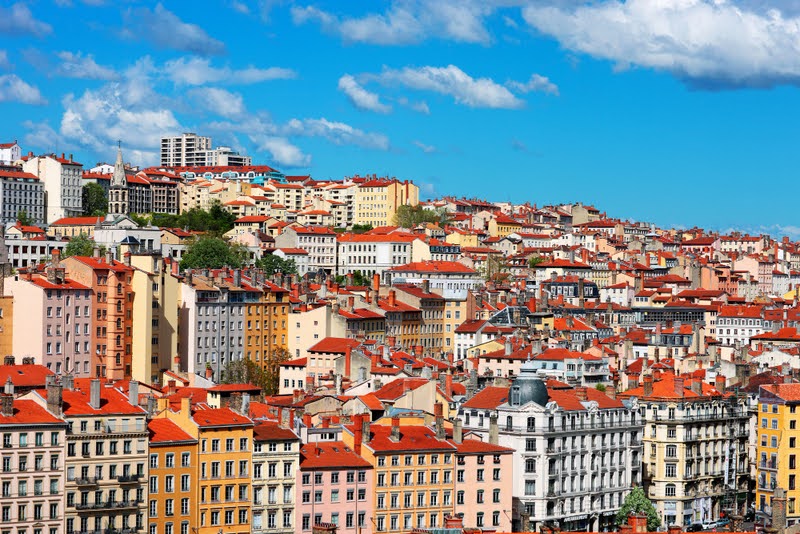
Lisbon works well for conference travel because exploration fits naturally into daily movement. Streets, cafés, public squares, museums, and transport systems all tell stories without demanding extra time.
For participants seeking Lisbon hidden gems for researchers, the city rewards attention rather than planning. Observing habits, routines, and spaces turns spare moments into learning experiences. This balance of structure and discovery makes Lisbon a strong setting for any academic event in Portugal, where professional focus and cultural context support each other naturally.